
What is a Rebuild Cost Assessment?
In plain English: it's a professional calculation of what it would cost to completely demolish and rebuild your home from scratch. It's not what it's worth on the market, and it's not what you paid for it.

It's the figure your insurance is actually meant to be based on.
Sometimes called a rebuild cost assessment, an RCA is the only figure that tells you if you're properly covered. Get it wrong, and you could be significantly underinsured without ever knowing it.
RICS-Regulated Figure
Carried out by a chartered surveyor to RICS professional standards, so it is a figure insurers and brokers accept without challenge.
Not Market Value
Rebuild cost excludes the land. It's what it costs to rebuild the structure, not what a buyer would pay for the whole property.
Reviewed Every 3 Years
RICS guidance recommends a full reassessment at least every three years, index-linked annually in between.
Three figures, three very different meanings.
Most confusion around home insurance starts here. People assume these three numbers are roughly the same, but they're often wildly different.
Market Value
What a buyer would pay for the property, land included, on the open market today.
Rebuild Cost
What it costs to demolish the damaged structure and rebuild it, excluding the land. This is what a Rebuild Cost Assessment produces, and it's what your insurance should be based on.
Sum Insured
The figure on your policy schedule. Usually this is the rebuild cost plus a buffer for inflation and unforeseen costs, set by you or your insurer.
Land keeps its value even if a building is destroyed, which is why rebuild cost is so often lower than market value in expensive areas. That's also why insuring at market value wastes money on extra premium, while insuring below rebuild cost leaves you exposed. Read more in Rebuild Cost vs Market Value.
Why this figure decides what you get paid after a claim.
If your sum insured is lower than your true rebuild cost, most UK insurers apply what's called the "average clause" (also known as the condition of average). It reduces every claim payout, not just on total losses, in proportion to how underinsured you are.
A Rebuild Cost Assessment carried out by a RICS-regulated surveyor gives you (and your insurer) a defensible, evidence-based figure, rather than a guess carried forward from a previous policy or an online calculator. See a full worked example in What Happens If My Property Is Underinsured?
The trusted choice for homeowners.
RICS Regulated
Every assessment is carried out by or under the supervision of a RICS-registered member.
Fully Insured
Every instruction is covered by comprehensive professional indemnity insurance for your protection.
24-Hour Response
We respond to every enquiry within 24 hours and deliver on the timescales we agree.
Insurer-Ready Report
A clear, defensible figure accepted by every UK insurer and broker, without amendment.
Related homeowner guides
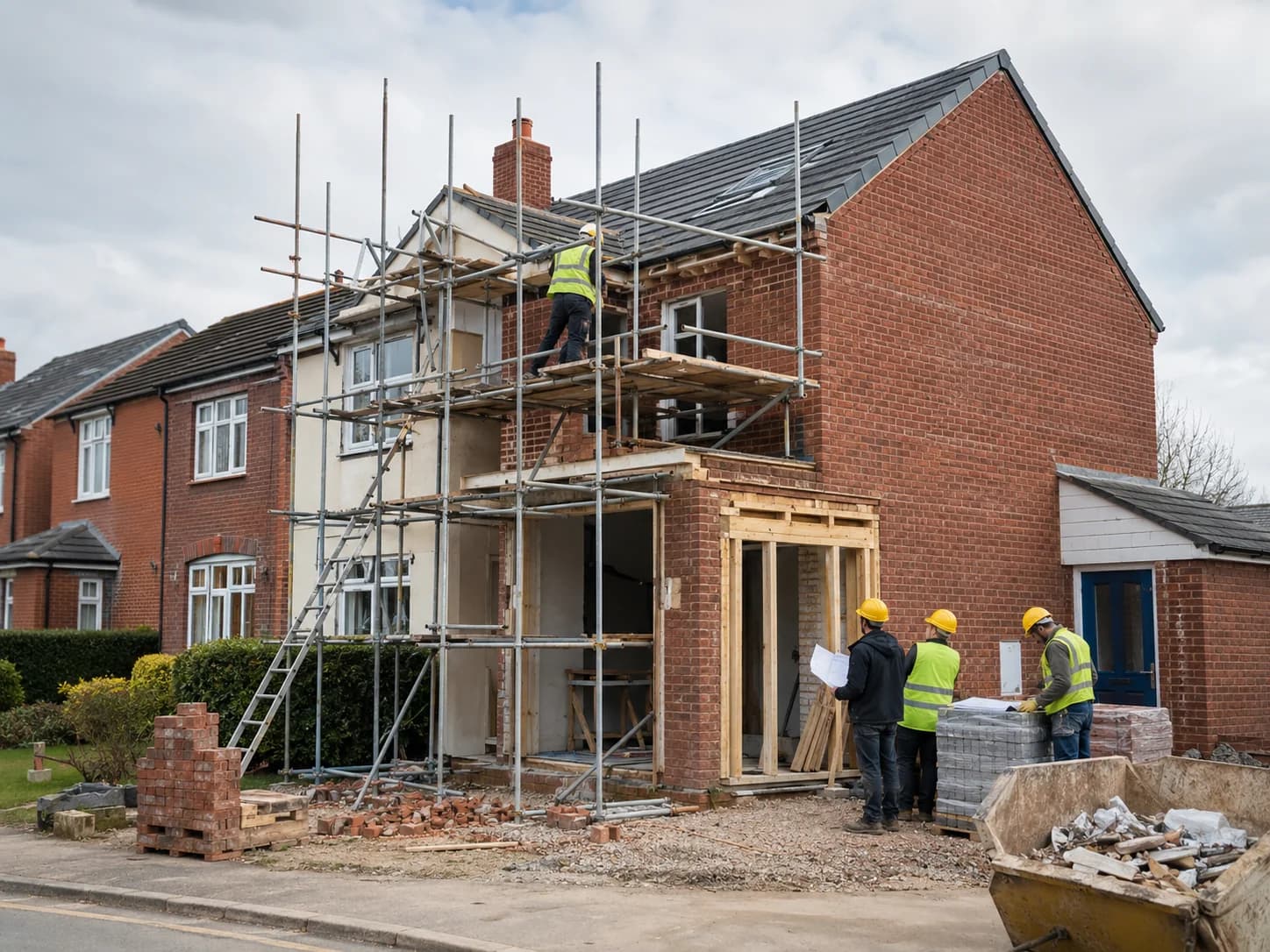
RCA vs Market Value
A clear, visual comparison of the two figures - and why they diverge.
Read the guidearrow_forward
Do I Need One?
The specific situations that mean it's time to get an assessment.
Read the guidearrow_forward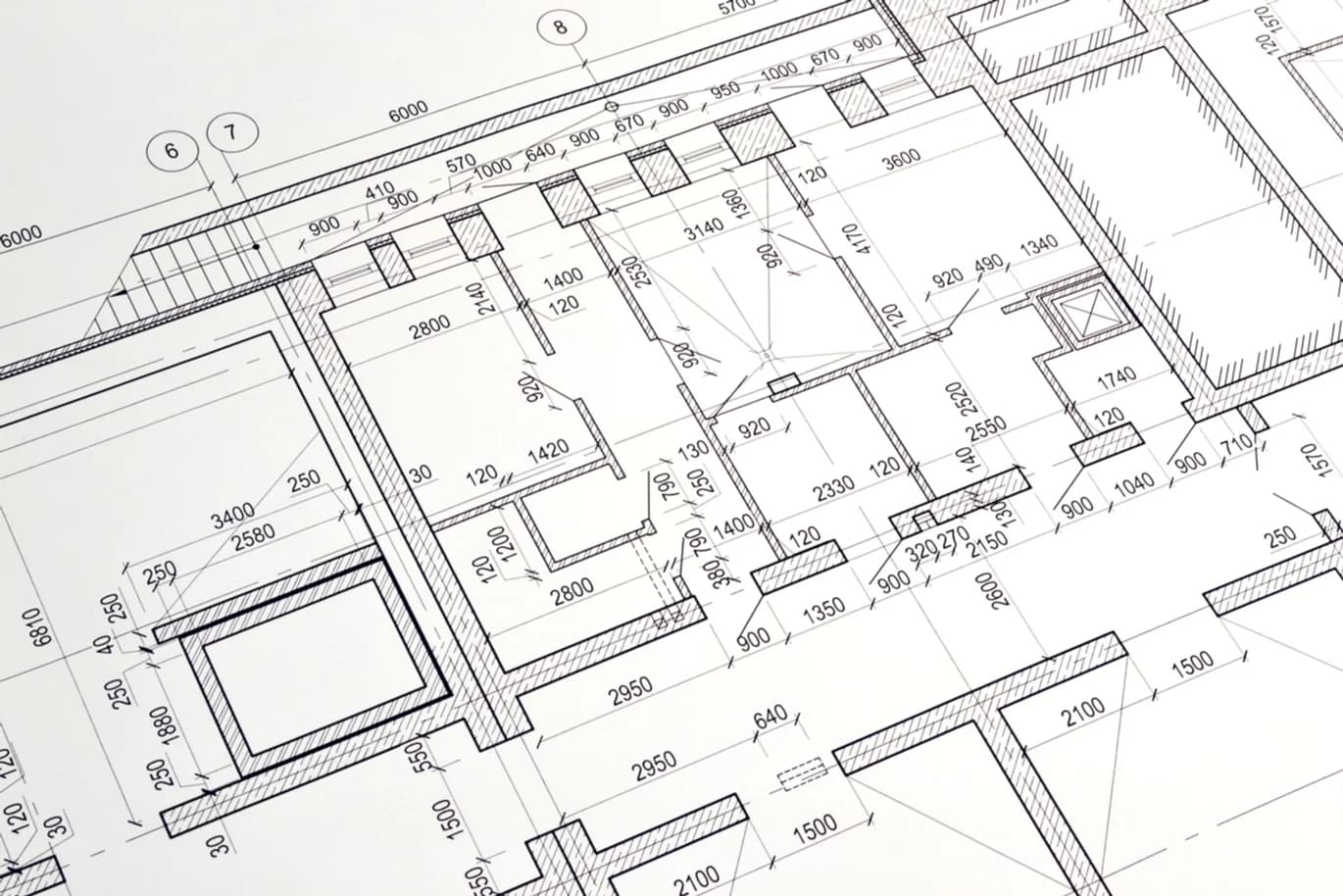
How Much Does It Cost?
What determines price, and how to get a fixed quote.
Read the guidearrow_forwardCommon questions.
Straightforward answers to the questions homeowners ask most about Rebuild Cost Assessments.